


Tallow for Sunburn: Does It Help, and How to Use It Safely
Updated By Rina AhluwaliaUpdated for summer 2026. Last summer I lost track of time at the lake and came home with shoulders the color of a ripe tomato, hot and tight and not happy with me. By that evening, once the sting had settled, I reached for the thing in my bathroom that always makes dry, unhappy skin feel better: a little whipped tallow balm. So, does tallow actually help a sunburn? Here's the honest answer, plus how to use it safely, and the few times you shouldn't.
So, does tallow help a sunburn?
Here's the honest version. Tallow is not a cure for sunburn, and it is definitely not a sunscreen. What it can do is work as a gentle after-sun moisturizer. Once your skin has cooled down, a thin layer of tallow helps soften and comfort the tight, dry, peeling skin a burn leaves behind. Think of it as part of the recovery step, not first aid.
The reason people reach for it is simple. Beef tallow is close to the oils your own skin already makes, and it's naturally rich in the fat-soluble vitamins A, D, E and K (here are the benefits of tallow for skin in plain language). It seals in moisture well, which is exactly what sun-stressed skin is asking for once the heat has passed.
First, the part that matters most
Sunburn is a burn, so a few rules come before anything else:
- Cool and hydrate first. Rinse the area with cool (not ice-cold) water and drink a glass of water. Tallow is a moisture step, not a cooling one, so let the heat come down before you put anything oily on.
- Never on blistered or broken skin. If the skin is blistering, weeping, or broken, leave it alone and keep it clean.
- It is not sunscreen. Tallow does not block UV rays and will not prevent a burn. Some experts also note that oils can leave skin more sensitive to the sun, so use tallow in the evening after sun, not before you head back out.
- Know when to see a doctor. Severe or widespread burns, blistering, chills, fever, or feeling unwell are signs to get medical care, not to reach for a balm.
Why tallow feels good after a day in the sun
Once the heat is gone, a sunburn turns into a different problem: skin that feels tight, dries out, and eventually peels. That's a moisture problem, and moisture is what tallow does best. Because its fats are so close to your skin's own, it sinks in and forms a soft, breathable layer that helps hold water in. People often say it takes the tight, papery feeling away and calms the look of redness while the skin settles. It won't undo the burn, but it can make the recovery a lot more comfortable.
How to use tallow on a sunburn
- Cool the skin. A cool shower or a cool, damp cloth first.
- Pat dry gently. No rubbing.
- Wait until your skin is no longer hot to the touch. Evening, after the day's heat, is the sweet spot.
- Warm a little balm between your fingers and smooth on a thin, even layer. A little goes a long way.
- Be gentle. Glide it on, don't rub tender skin.
- Reapply before bed and over the next few days, whenever the skin feels dry or starts to peel.
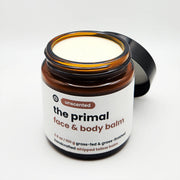
- Choose unscented. On sun-stressed skin, a fragrance-free balm is the kindest choice. Save the scented ones for everyday skin.

Tallow vs aloe vera for sunburn
This is the question everyone asks, and the honest answer is that they do different jobs. Aloe is watery and cooling, so it feels wonderful in the first hot hours, but it evaporates fast and can leave skin dry afterward. Tallow is the opposite: it doesn't cool, but it's rich and sealing, so it shines a little later, when the burn has calmed and your skin is tight, dry and beginning to peel. Plenty of people use both: aloe first to cool things down, then a thin layer of tallow that evening to lock in moisture. It isn't either-or.
When to skip the tallow
Keep tallow off blistered, weeping or broken skin, and don't put it on a fresh, still-hot burn before you've cooled things down. Never use it as sun protection. And if a burn is severe, covers a large area, or comes with blisters, chills or fever, that's a doctor's call, not a balm's.
What to look for in an after-sun tallow
- Grass-fed and cleanly rendered, with a short ingredient list you can actually read.
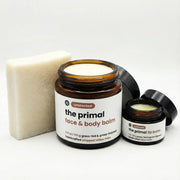
- Fragrance-free for sunburn. Our unscented whipped tallow balm is the simplest, gentlest pick for tender skin.
- A light, whipped texture that melts in without heavy rubbing. You'll find them all in our whipped tallow balm collection, including our Soothe + Repair balm if you want something made for calming stressed skin.
One customer, Karen, summed up the after-sun use better than we could: "Love how silky and moist my skin feels. BTW, it was great on the sunburn I accidentally acquired this past weekend!"
The honest verdict
Tallow won't heal a sunburn overnight, and it will never replace sunscreen. But as a simple, natural after-sun moisturizer, it's lovely. Once your skin has cooled, a thin layer helps tight, dry, peeling skin feel soft and comfortable while it recovers. Cool first, keep it off broken skin, reach for a fragrance-free balm, and let your skin take it from there. For next time, the best sunburn plan is still the boring one: shade, a hat, and good sunscreen.
This is general skincare information, not medical advice. Sunburn is a burn; for severe or blistering burns, or if you feel unwell, see a healthcare professional. Results vary, and it's smart to patch-test a new balm first.


