


7 Benefits of Tallow Soap (and a Few Honest Drawbacks)
Updated By Rina AhluwaliaHere's a myth worth retiring: if your skin feels tight and squeaky after a shower, the soap "did its job." In reality, that tight feeling usually means the bar stripped away the oils your skin works hard to make. Tallow soap takes the opposite approach. It cleans you properly while leaving your skin's natural barrier alone, and that one difference explains almost every benefit on this list.
I switched our whole family to tallow bars years ago, and the difference shows up in small ways: no more reaching for lotion the second you towel off, no more mystery ingredients on the label. Below are the real benefits of tallow soap, backed by what our customers actually report. And because no product is perfect, I have included the honest drawbacks too.
The short answer: beef tallow soap cleans without stripping your skin, carries fat-soluble vitamins A, D, E, and K, lathers naturally without synthetic foaming agents, and lasts longer than most bars. It works gently because its fatty-acid profile is close to your skin's own oil, so your skin barrier stays comfortable after washing.
What is tallow soap?
Tallow soap is a traditional bar soap made from rendered beef tallow (the cleaned, purified fat), combined with lye and, in most handmade bars, a few drops of essential oil. People washed with bars like this for centuries before synthetic detergents took over the soap aisle. If tallow skincare is new to you, our plain-language guide to what tallow balm is covers the ingredient itself. The short version: tallow is rich in the same fatty acids your skin's own oil (sebum) is made of, which is why a tallow bar behaves so differently from a detergent bar.
7 benefits of tallow soap
1. It cleans without stripping your skin
This is the big one. Tallow is close to human sebum in composition. Both are dominated by the same fatty acids: oleic, palmitic, and stearic. So while the bar lifts away dirt and sweat, it does not bulldoze your skin's protective oils the way detergent bars and sulfates can. Skin comes out clean but comfortable, not tight.
"Cleans my skin without drying and has a lovely fresh scent." - Jennifer P., verified buyer (Lemongrass Sea Salt bar)
2. It is naturally rich in vitamins A, D, E, and K
Grass-fed tallow carries fat-soluble vitamins A, D, E, and K. These are the same nutrients found in many traditional skincare ingredients, which may be part of why tallow has such a long history on people's washstands. We render our tallow low and slow specifically to keep them intact.
3. It is gentle on dry and sensitive skin
Most "gentle" bars still contain sulfates and undisclosed "fragrance," two of the most common triggers for irritation. A well-made tallow soap has neither. That is why people with dry, sensitive, or eczema-prone skin so often end up with a tallow bar in their shower. Skin is personal and results vary, so patch-test any new bar, but the short ingredient list means there is simply less in it to react to.
4. It makes a rich, creamy lather naturally
Commercial bars get their foam from synthetic agents like SLS. Tallow does not need them. The dense fat creates a thick, creamy lather on its own.
"I love the scent, love the lather. My husband stole it from me, so I guess I will have to get him some also." - Angelene M., verified buyer
5. The bars last longer
Tallow makes a hard, dense bar that wears down more slowly than most plant-oil soaps. With daily use and a draining soap dish, a single bar typically lasts about a month. (Storage matters for any tallow product. Here is how long tallow lasts and how to store it.)
6. The ingredient list is short enough to actually read
A good tallow soap has a label like a recipe: tallow, olive oil, lye, essential oil. Done. No preservative chain, no "parfum." If you want to get good at spotting the difference between genuinely clean and clean-looking, our ingredient guide to tallow products breaks down the label tricks to watch for.
7. It puts the whole animal to use
Tallow is rendered from suet, a part of the animal that would otherwise often go to waste. Using it for skincare is the nose-to-tail idea applied to your bathroom: less waste, no palm-oil plantations, and a bar that comes from a farm rather than a refinery. Ours is rendered from 100% grass-fed, grass-finished cattle raised in Alberta, Canada.
Tallow soap vs regular soap
| On the label | Tallow soap | Typical commercial bar |
|---|---|---|
| Cleansing base | Rendered grass-fed tallow | Synthetic detergents (often SLS) |
| Lather | Natural, from the fat itself | Foaming agents |
| Scent | Named essential oils, or none | "Fragrance" / "parfum" |
| Ingredient count | Usually 3 to 6 | Often 15 or more |
| Skin after washing | Soft, comfortable | Tight, squeaky, reaching for lotion |

The honest drawbacks of tallow soap
We make tallow soap, so take this section as the counterweight to the sales pitch. A few things to know before you buy any tallow bar, ours included:
- It costs more than a drugstore bar. Small batches and grass-fed sourcing are simply more expensive than mass production. The longer-lasting bar closes some of that gap, but not all of it.
- The scent is subtle. Essential oils give a soft, natural aroma. If you love a strong perfume that lingers for hours, a tallow bar will smell mild by comparison.
- It softens if it sits in water. Keep it on a draining dish, or it will wear out faster than it should.
- It is not vegan. Tallow is an animal fat. If that conflicts with your values, this is not your soap, and no marketing should convince you otherwise.
- Dermatologists are split. Some are cautious about tallow, mostly because there is less published research on it than on mainstream cleansers, and because any rich, fatty product can feel heavy for very acne-prone skin. Fair points. If your skin is reactive or breakout-prone, start with an unscented bar, patch-test, and see how your skin responds.
Does tallow soap work for face and hair too?
So is tallow soap good for your skin, face included? For most people, yes. Tallow's compatibility with sebum makes it a gentle facial cleanse. Washing once or twice a day is fine for most skin types, and because the bar does not strip your face the way foaming cleansers can, many people find they need less moisturizer afterward, not more. If your skin runs oily or very acne-prone, go slow: start with the unscented bar a few times a week and see how your skin responds (see the drawbacks above).
For hair, the bar you want is a dedicated tallow shampoo bar, which is formulated to cleanse hair and scalp rather than just skin. One of our customers put it better than we could:
"Okay I'll admit I was nervous about shampoo in the form of bar soap. But oh boy I recommend you give this a try. I have baby fine thin hair that breaks easily. The breakage was significantly less than my regular shampoo and my hair was not dry or tangled but super soft." - Beth P., verified buyer (Wild Mint bar)
How to choose a good tallow soap
Whatever brand you buy, check four things: tallow listed first, grass-fed sourcing, scents from named essential oils (or no scent at all), and small-batch production. That checklist will filter out most of the cleanwashed bars on the market.
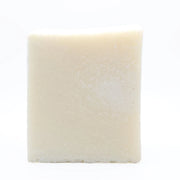
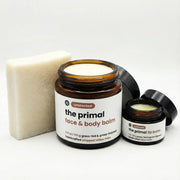
If you would rather skip the label homework, our tallow soap bars are made fresh in small batches from 100% grass-fed tallow, in four options: Lavender Sea Salt, Lemongrass Sea Salt, Sweet Orange Charcoal, and Unscented Sea Salt for the most sensitive skin.
"I loved the clean feeling it left, and the smell was so good too." - Ysela B., verified buyer (Lavender Sea Salt bar)
The bottom line: tallow soap's benefits come from one simple fact. It works with your skin's own chemistry instead of against it. Clean skin should not feel tight, and once you experience the difference, the drugstore bar is a hard sell.
Written by Paris Hamilton, who switched her whole family's bathroom cabinet to tallow years ago and reads ingredient labels for fun.
Patch-test any new soap first. Skincare is personal and results vary.


