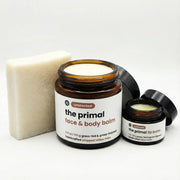
Ever feel like no matter how much lotion you slather on, your skin is still dry? There’s a better way! A small amount of tallow balm goes a long way.
Tallow is an old-school natural product that is finding its way back into the skincare routine. Containing essential nutrients, it hydrates without the greasy feel.
So let’s find out why so many people are ditching lotion for tallow by answering the question, “What is tallow balm?”.
What Is Tallow Balm?
Tallow balm is a rich and natural moisturizer made from rendered beef, lamb, bison, or other animal fats, specifically sourced from suet—the fat around the kidneys and internal organs.
Although it might not sound as fancy as synthetic lotions, it is healthy and organic, containing what your skin really needs.
People have used tallow for centuries to keep their skin soft and healthy. Unlike store-bought creams packed with chemicals and fillers, tallow balm has skin-loving fatty acids and vitamins that closely match the oils your skin naturally produces. This means deep hydration without the greasy, sticky feel. Learn More: Tallow Benefits for Skin.
Making tallow balm contains four main stages:
- Sourcing Suet
- Rendering the Fat
-
Purification (Optional)
-
Making the Balm
How Is Tallow Balm Made?
- First, suet is sourced from cattle. Suet is chosen because it is high-quality and contains more beneficial fats than other types of fat.
- Then, they should render the fat. To do this, they chop suet into small pieces, slowly melt it, and then strain it to separate the impurities.
-
After the fat has been rendered into tallow, you can optionally melt it again in water over low heat and strain it for a second purification. This process will result in a whiter, purer tallow.
- Finally, the tallow is blended with other natural ingredients like coconut, olive, jojoba oils, or optional essential oils, herbs, or beeswax.
But not all tallow balms are the same. Depending on how they’re made and what they’re mixed with, you’ll find different textures and consistencies.
The exact blend is what separates a genuinely clean balm from a cleanwashed one. If you want to know precisely what tallow balm is made of - and which ingredients to avoid, we break down every ingredient (and the label tricks to watch for) in our ingredient guide.
Different Kinds of Tallow Balm
There are two main types of tallow balm: regular (solid) and whipped.
- Regular (solid) Tallow Balm is what results from stage 4 of making tallow balm (explained above). It is thick and concentrated and takes a little extra rubbing in, but it’s very moisturizing.
- Whipped Tallow Balm is made by whipping regular tallow. So, it is light, fluffy, and super easy to spread. It is often blended with oils like jojoba or olive oil to enhance its smoothness.
It just depends on how you like your balm to feel because they both do the job, won’t leave any residue, and won’t need preservatives or additives. This feature is actually what makes tallow balm different from lotions.
Learn More: Beef Tallow for Skin Before and After Results with Photos
Balm isn't the only way to use tallow, either. The same grass-fed fat is the base of our tallow soap bars for cleansing and even tallow shampoo bars for hair, so you can keep your whole routine simple and natural (here are the benefits of tallow soap if you want the details).
How Is Tallow Different from Lotion or Cream?
Most lotions and creams are water-based, which means they need preservatives to keep them from spoiling. Tallow balm, on the other hand, is pure, nutrient-dense fat. It doesn’t just sit on top of your skin but absorbs deep, providing long-lasting moisture without toxins.
That’s why choosing the right tallow balm matters. Not all products are created equal, so here are the things you need to look for when buying a tallow balm.
Why Did People Stop Using Tallow?
If tallow is so good for your skin, why haven't you heard of it until now?
For centuries, tallow was a skincare staple. But in the 20th century, big brands switched to cheaper, mass-produced ingredients like petroleum jelly and synthetic oils that were easier to bottle and store on shelves. Tallow quietly fell out of fashion.
Today, as more people look for clean, simple, natural skincare, this old-school ingredient is making a well-deserved comeback.
What to Look for When Buying Tallow Balm?
If you want the best tallow balm, look for a few buying signals:
-
Grass-fed and pasture-raised tallow — higher quality, with more skin-loving nutrients and fewer unwanted residues.
-
A short, fully named ingredient list — tallow listed first, good oils (jojoba, olive, coconut), and named essential oils, with no vague "fragrance" or fillers.
-
Glass packaging — preserves freshness and avoids contamination better than plastic.
Reading the label is where most "clean" claims fall apart. For the full breakdown of what tallow balm is made of and how to spot cleanwashing, see our ingredient guide. When you're ready to choose, here's the best tallow balm for face, lips, and body.
Where to Buy Beef Tallow for Skin?
You can find tallow balm at natural skincare shops, online stores, and even some farmers’ markets.
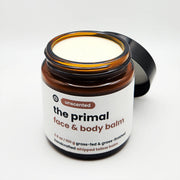
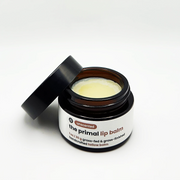
At The Primal Shop, you can find scented and unscented tallow balm made from 100% grass-fed, grass-finished beef tallow.
The Primal tallow balms are also enhanced with organic oils (cold-pressed olive oil and jojoba) and natural essential oils (cedarwood, lavender, lemongrass, etc.).
If you’re feeling adventurous, you can buy high-quality beef suet and render your own tallow at home with this DIY tallow balm recipe. [1]
Once you’ve got your hands on a good tallow balm, knowing how to use it properly can make all the difference in how well it works.
How to Use Beef Tallow for Skin?
It’s super easy to use tallow balm:
- Wash your skin with gentle natural cleansers or water. Then, pat dry the skin.
- Scoop out a tiny amount.
-
Rub it between your fingers to warm it up.
-
Massage it into your skin.
-
Let it soak in and work its magic.
tallow for sunburn
You can use it as a lip balm or as a balm for your face and body. It helps with dry patches, such as cracked heels or elbows, minor scrapes, and can also soothe conditions like eczema, rashes, or other skin irritations. But how often should you use it?
How Often Can I Use Tallow Balm?
Apply once a day, though you can use it more often if needed. It’s gentle enough for daily use, and because it’s so moisturizing, you likely won’t need to reapply as frequently as with regular lotions. You can also apply it before bed and wake up to soft, smooth skin.
Does Tallow Balm Smell Like Beef?
Not really! Properly rendered tallow has a super mild scent, like butter.
However, if you don’t like the natural smell of tallow, you can use scented tallow balms that contain essential oils to give them a nice, natural fragrance.
If the balm smells like a steak, something went wrong in the process!
So, if you buy from trusted sources, like The Primal Shop, you won’t have to worry about quality. Just keep the balm in a cool, dry place to prevent it from melting.
Does Tallow Balm Melt?
Yes, it can soften or melt in warm temperatures, but it will firm up again once it cools. If you live somewhere hot, like Australia, store it in a cool spot to keep it from turning into liquid gold!
What Are the Disadvantages of Tallow Balm?
Tallow balm has a lot going for it, but it's only fair to mention a few downsides. Because it's a natural fat, it can soften or melt in hot weather, though it firms right back up once it cools. Pure tallow also has a mild, naturally meaty scent that not everyone loves, which is why scented versions with essential oils are so popular. And since it's an animal-based product, it isn't suitable for vegans, and anyone with very sensitive skin should always patch-test first. For most people, though, these are small trade-offs for such a clean, nourishing moisturizer.